FECOP

Our History View More

timeline.

Helping to Shape Sustainable Fishing Policies and Laws Since 2009

We have been working toward shaping sport fishing tourism and sustainable fishing policies in Costa Rica since 2009. There isĀ  much work to be done, but here is a brief history of our many accomplishments.

2009

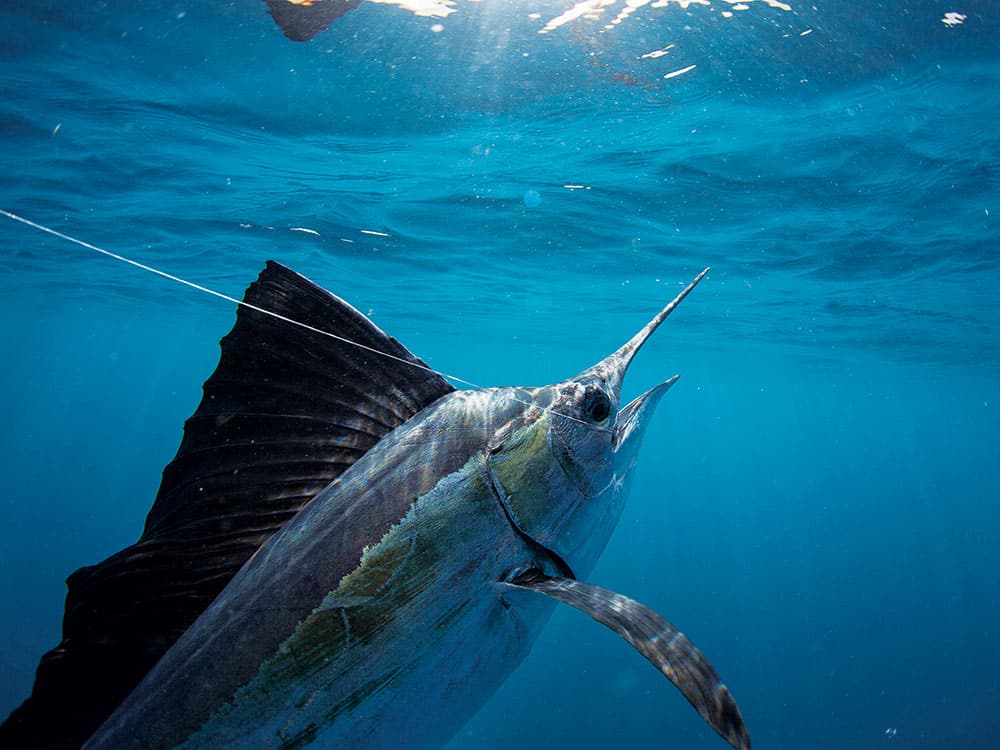
After heavy lobbying by FECOP, the government passes a law banning the exportation of sailfish from Costa Rica.

2010

Established the Golfo Dulce as the largest protected marine area of responsible fishing in Costa Rica

In 2010, after studies by FECOP are presented to the government, the Golfo Dulce became the largest Marine Area of Responsible Fishing (MARP), and no fishing is allowed by medium and advanced commercial fleets (longline boats).

2013

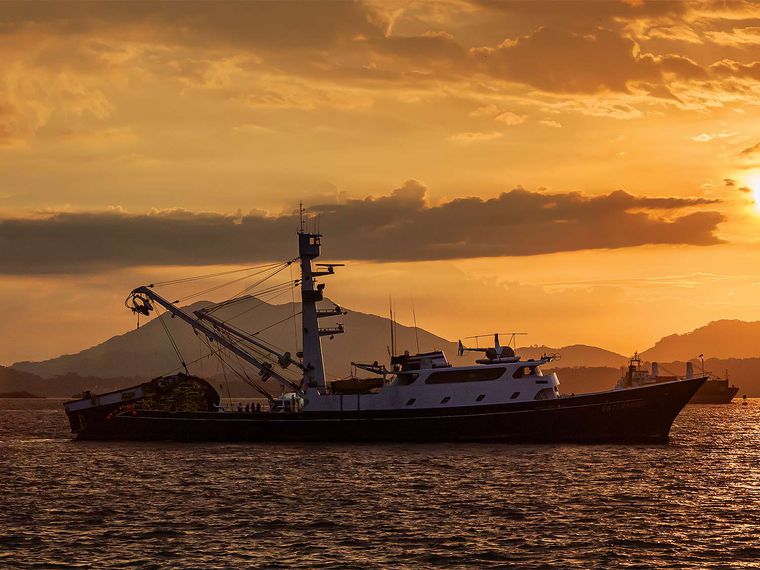
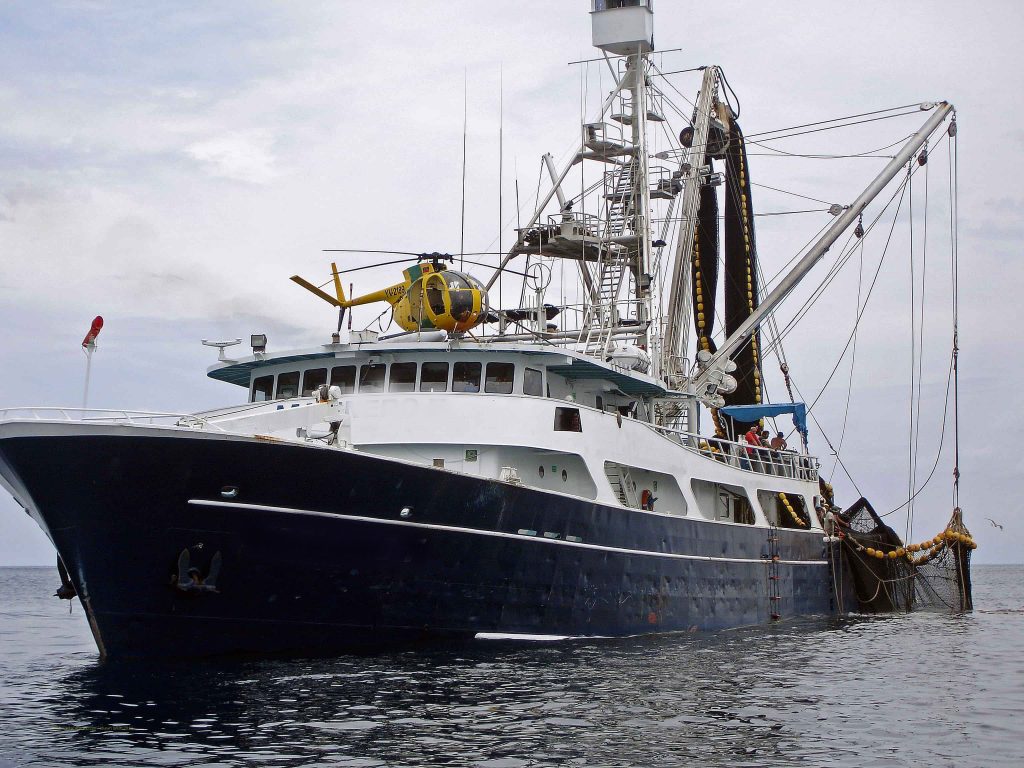
President Laura Chinchilla signs a decree at the end of her term in 2013 that moved tuna purse seine operations 45 miles off the coast and protected a total of 120,000 square miles of ocean from tuna boats.

Newly elected President Luis Guillermo Solis delayed the publication of the decree, but it eventually passed in October of 2014. The decree protects over 200,000 square kilometers of territorial water (44%) from purse sein operations. The most important area to recreational anglers is the first 45 miles from the coastline in which seine operations are now prohibited.

2013

Banned Shrimp Trawling

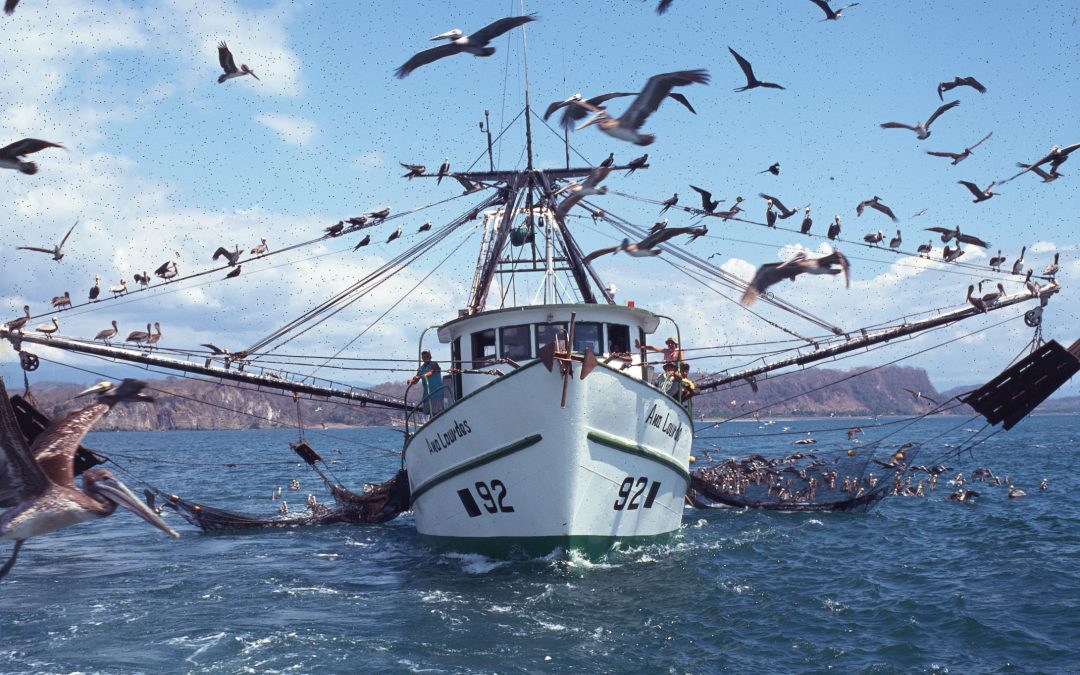
in 2013 after studies by FECOP, the Constitutional Chamber of the Supreme Court, or Sala IV, on declared shrimp trawling unconstitutional in Costa Rica, after ruling that the fishing technique causes serious damage to the marine environment.

2022

Tuna decree becomes law, purse seine fishing for tuna banned within 80 miles of Costa Rica's Coast.

The new law requires the tuna seiners to be at least 80 miles from shore. This is great news for both recreational and commercial fishermen. The incidental bycatch of the tuna nets includes many species important to both sectors including marlin, sailfish, dorado and wahoo. It also includes sharks, manta rays, turtles and dolphins as well as the demise of nearly 100 other species to catch one fish to take to market, tuna.

2023

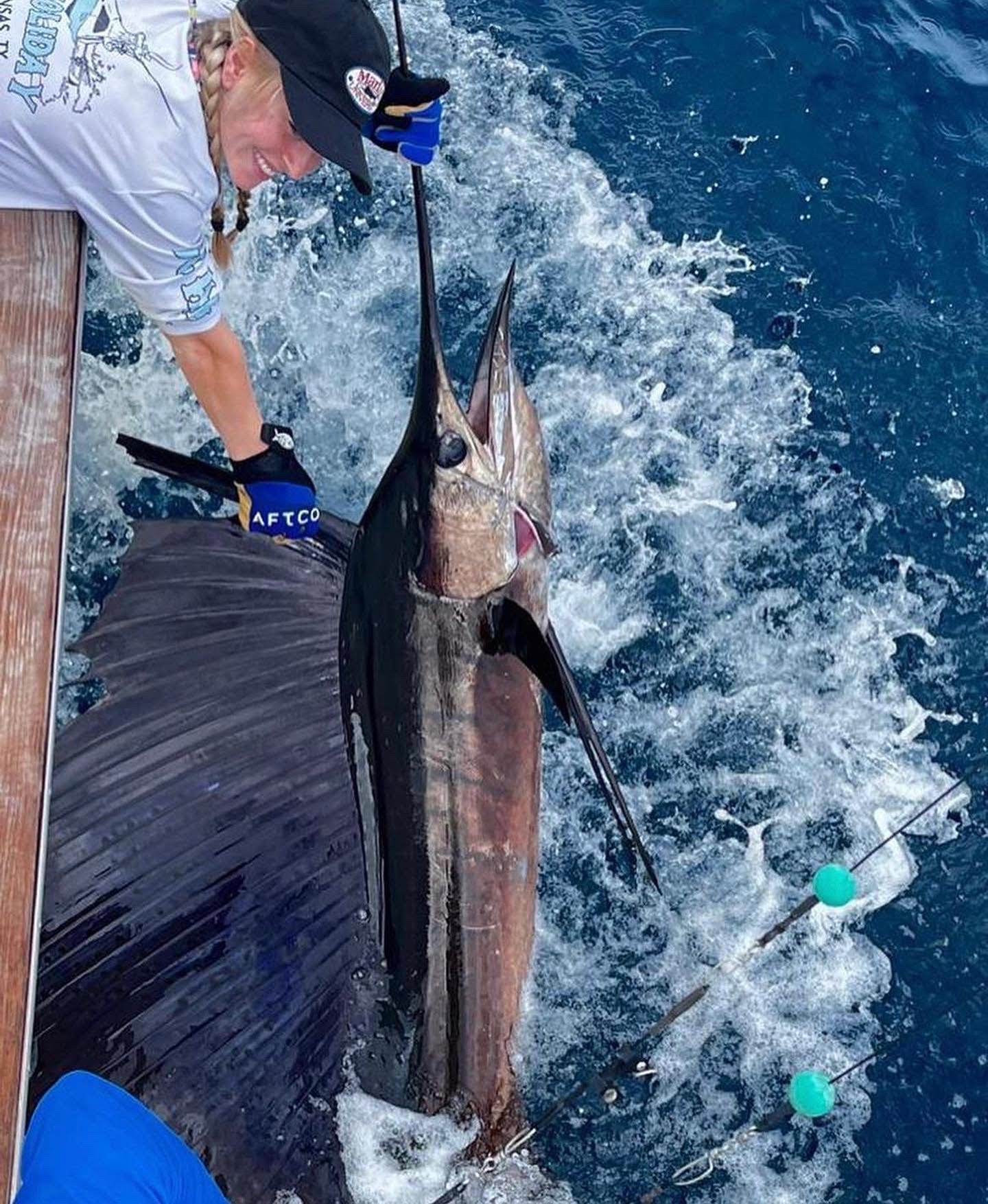
FECOP continues with "Operation Sailfish" a campaign aimed at stopping the commercialization of sailfish for consumption in Costa Rica

Sailfish populations have increased after the 2009 ban on exportation, but they are still being targeted by longliners who are allowed a percentage of incidental bycatch. Over 16,000 sailfish are killed annually as a result and legally sold on the consumer market. Join us in stopping the commercialization of this fish which is an important fish of touristic interest and a vital part of Costa Rica’s National and local economies.

Bridging the Gap Between Sport Fishing and Science

Download Scientific Studies by FECOP

Impact Study

Download the Sport Fishing Impact Study
During 2018 the Costa Rican Fishing Federation conducted two research projects on the impact of the activity at macroeconomic and local levels. Both were possible thanks to the support of the sector (marinas, captains, hotels, first mate, among others) in the data collection process.
Learn More

Longline Study

Download The FECOP MarViva Longline Study (Spanish)
The longline industry generates around 70,000 jobs dedicated to the extraction, processing, distribution and export of marine resources (MIDEPLAN, MINAE, MAG and Agenda Azul, 2017). These resources depend on a healthy and bio-diverse ocean environment.
Download

Virtual Reality Training

Virtual Reality Training
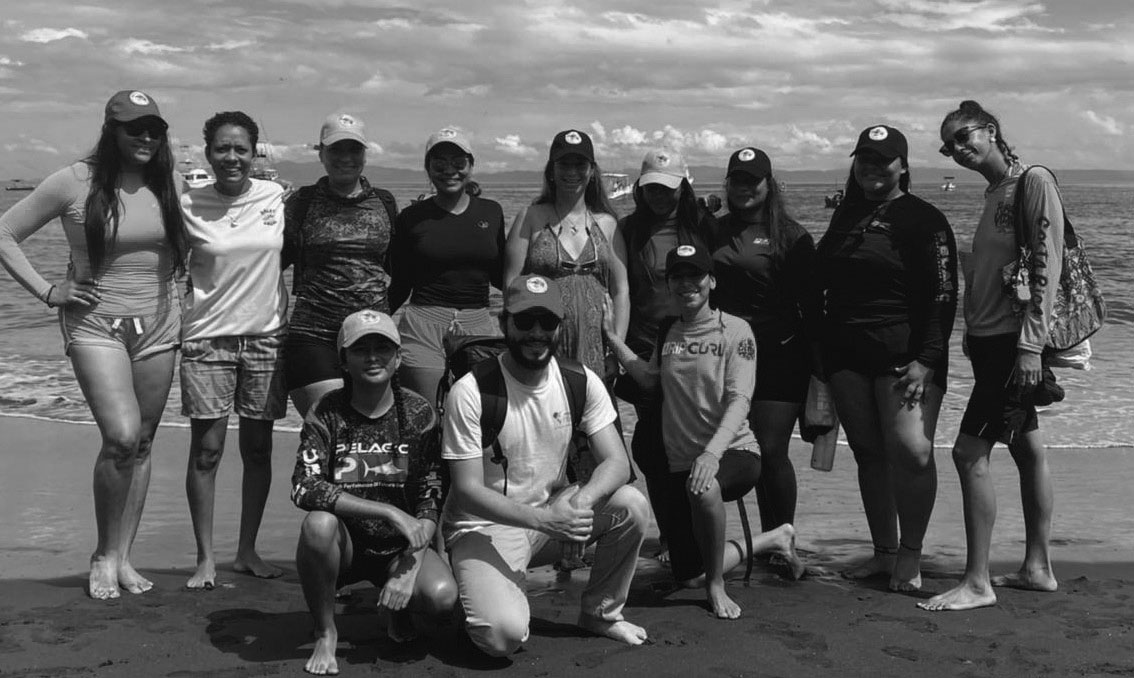
The main objective was to raise awareness and training personnel on applying the Fisheries Law and the international and national regulatory framework to combat illegal, unreported, and unregulated fishing (IUU fishing). In addition, it aimed to contribute to penalizing these crimes and reducing impunity.
Read More

FRIENDS OF CONSERVATION

Help us protect and restore
Costa Rica's Marine Resources