

Fish aggregating devices (FADs) and vessel monitoring in Costa Rica
Scientific evidence, sportfishing perspectives, and opportunities for sustainable management
FECOP Technical Report | October 2026
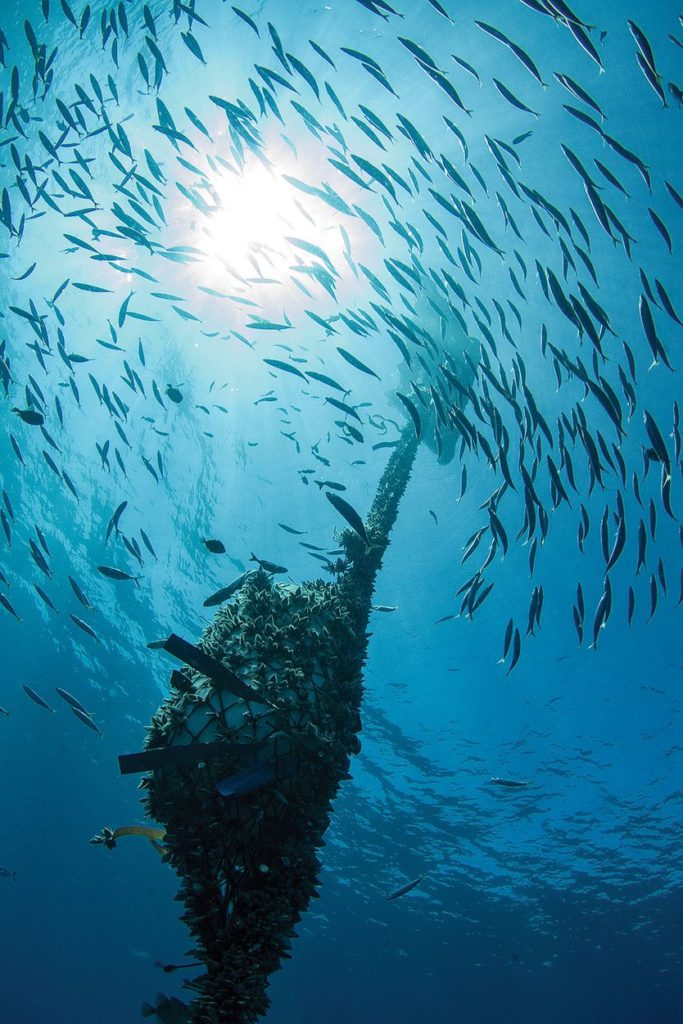
Costa Rica’s sportfishing sector is facing important questions about the future of fish aggregating devices (FADs), fisheries regulation, and marine conservation.
Recent Constitutional Court rulings and subsequent government measures have brought renewed attention to the need for scientific evidence, clear regulations, and greater collaboration between public institutions, researchers, and the sportfishing community.
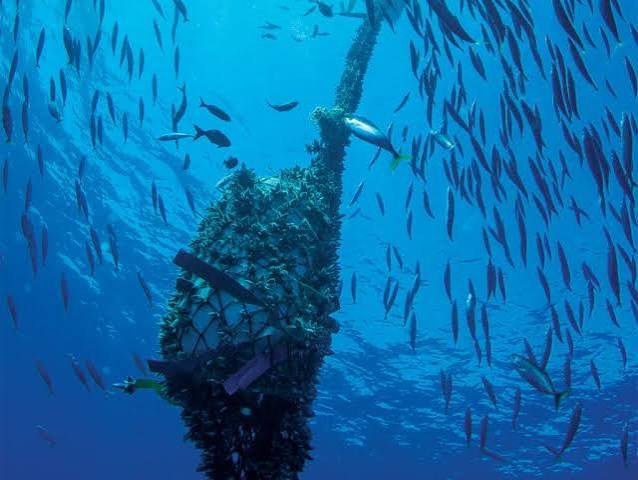
To contribute to this discussion, the Costa Rican Sportfishing Federation (FECOP) has published a new technical report examining the scientific, regulatory, economic, and social dimensions of FADs and vessel monitoring systems in Costa Rica.
The report brings together scientific literature, regulatory analysis, market perspectives, expert interviews, and findings from FECOP’s 2026 sector survey.
What does the report explore?
FADs and marine conservation: Available scientific evidence, ecological uncertainties, fishing pressure, and responsible management considerations.
The regulatory context: The Constitutional Court’s decision, subsequent administrative measures, and questions surrounding possible future regulatory approaches.
Economic and social considerations: The connections between sportfishing, tourism, coastal employment, and local businesses.
Vessel monitoring systems (VMS): Operational, technological, regulatory, and privacy considerations for the sportfishing sector.
Opportunities for collaboration: How fishing operators, researchers, institutions, and sector organizations can contribute knowledge and participate in informed decision-making.
From scientific evidence to better decisions
The report does not propose a single solution. Instead, it identifies important questions, knowledge gaps, and opportunities for technical dialogue.
Captains, crews, charter operators, and other members of the sportfishing community hold valuable practical experience that can complement scientific research and contribute to the development of responsible fisheries management approaches.
By strengthening cooperation and generating reliable information, Costa Rica can better evaluate management options that support marine conservation and the long-term sustainability of its coastal communities.
Read the Full Report