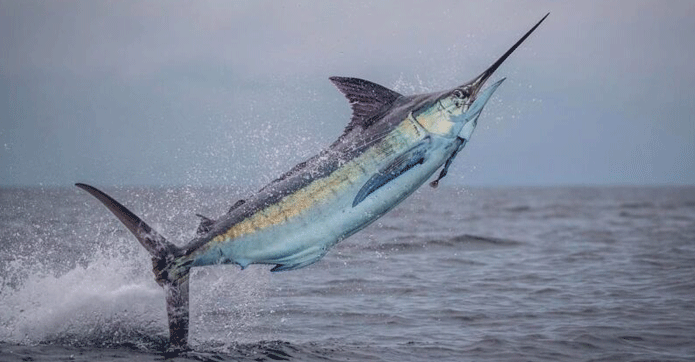
Researchers from Guy Harvey Foundation shared how electronic tags are helping answer that question for crews fishing Costa Rica’s Pacific coast.
Where do marlin go after release?
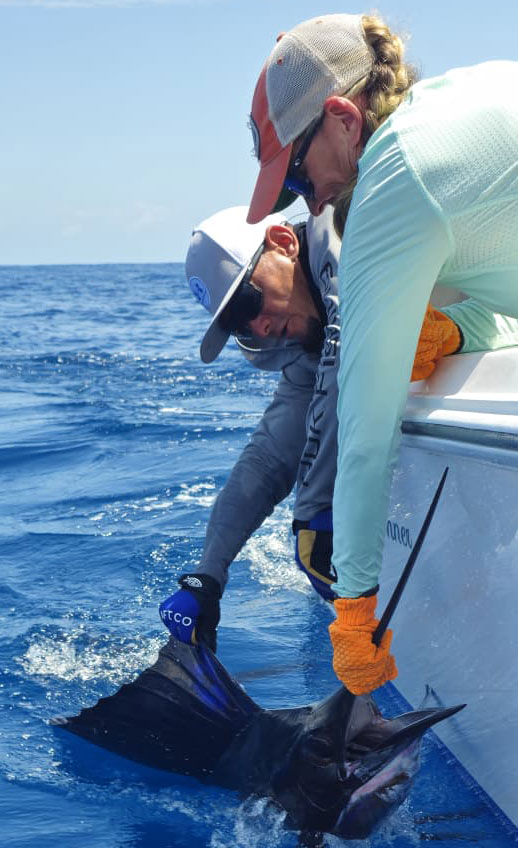
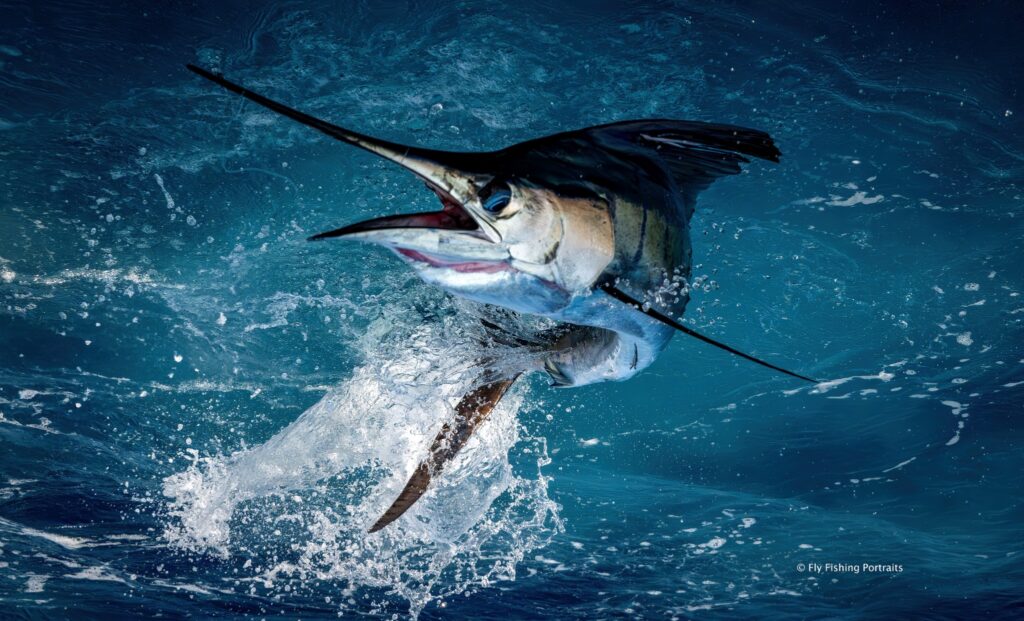
When a sailfish slips out of a mate’s hands, the crew sees its first few tail beats. What happens over the next five hours? At FECOP’s La Alfombra Azul III on November 6, researchers from the Guy Harvey Foundation shared how electronic tags are helping answer that question for crews fishing Costa Rica’s Pacific coast.
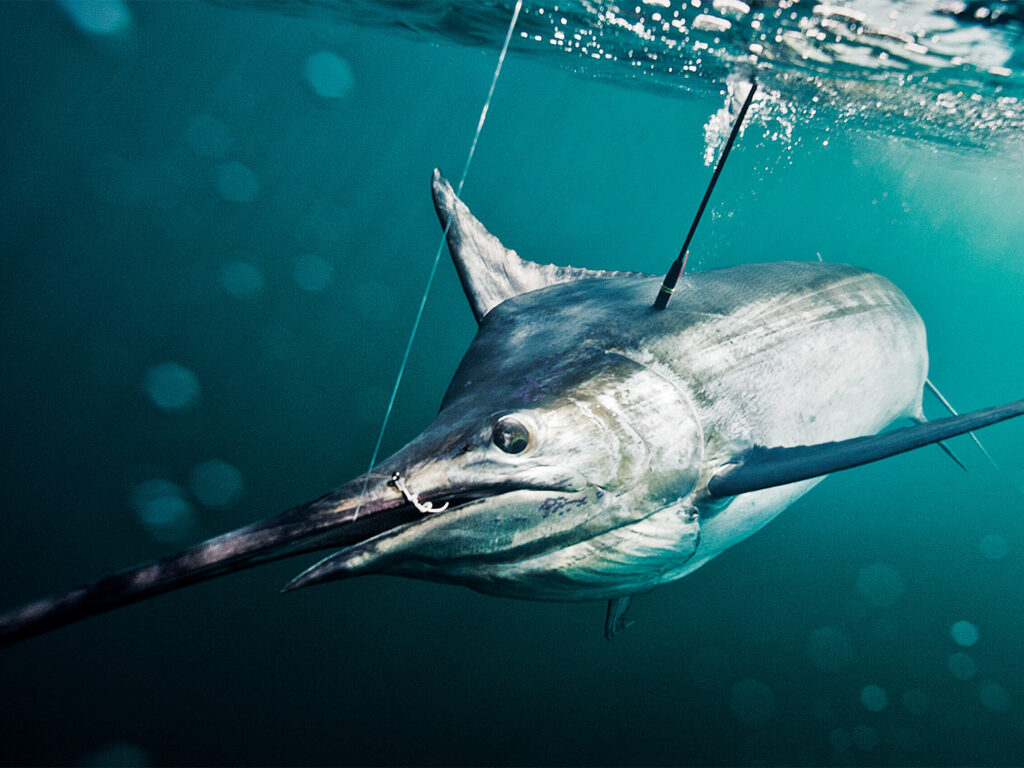
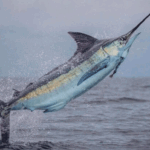
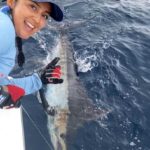
Captains and crews helped researchers tag 106 billfish in the Eastern Tropical Pacific, including 46 black marlin, 30 blue marlin and 30 sailfish. The tracks revealed a difference that matters for conservation. Blue marlin generally traveled farther, while black marlin tended to stay closer to shore. A management decision made along one stretch of coastline may cover part of a black marlin’s range, while a blue marlin can carry the same conservation question across national boundaries.
How long do blue marlin and sailfish take to recover?
A satellite track can show where a fish went. To understand how it swam after release, scientists used motion sensors that recorded changes in activity. A peer-reviewed study of blue marlin and sailfish estimated how long it took those movements to settle into a typical pattern.
What the recovery times mean for anglers
The researchers estimated roughly nine hours for blue marlin and five hours for sailfish. Those figures describe average changes in swimming behavior. An individual fish may recover sooner or later. For a crew watching a strong swim-off, the finding adds a detail that is easy to miss from the deck: a fish can swim away under its own power while its recovery continues for hours.
How tracking informs billfish conservation in Costa Rica
At La Alfombra Azul III, a related question concerned fish aggregating devices, or FADs. When a device draws fish to a predictable location, how does that change fishing pressure? Tracking a marlin helps researchers study the fish’s movements. Monitoring vessels answers a different question about where boats operate. Both types of evidence matter to the captains, coastal communities and fisheries officials weighing how these devices should be managed.
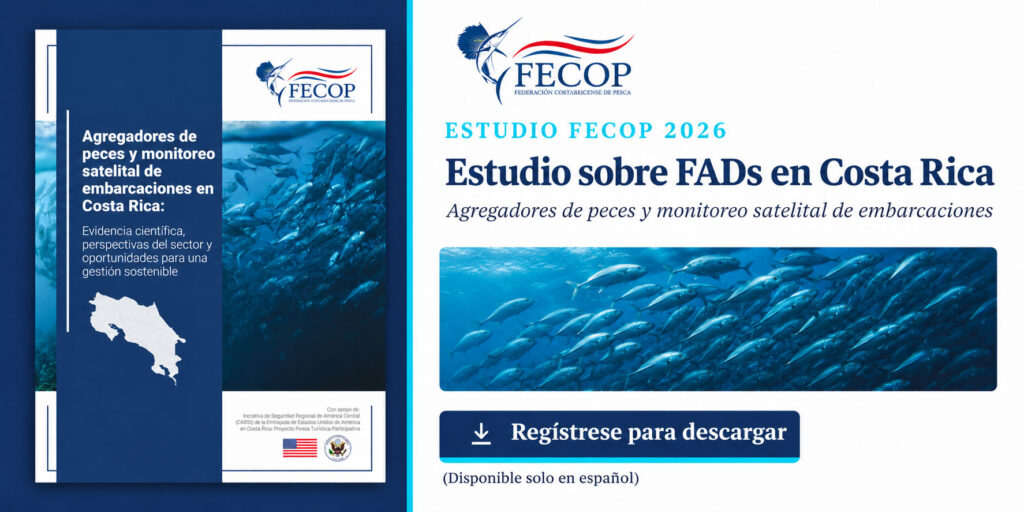
Explore FECOP’s 2026 Costa Rica FAD study for the research, interviews and sector survey behind that discussion. The full report is available in Spanish.
Source credit: Based on The Tico Times’ coverage of billfish tracking at La Alfombra Azul III, published November 16, 2026.